
Everything You Need to Know About GST Registration

Business in India cannot be imagined without being registered in GST. Be it a small retailer, service provider, or e-commerce player, a knowledge of GST registration will help you stay compliant and continue to do business legally. GST was introduced in order to bring various indirect taxes under one roof to make taxation easier and more transparent.
What is GST Registration?
A unique 15-digit Goods and Services Tax Identification Number (GSTIN) is generated upon registration. This number serves as the legal identity of the registered business for all GST-related transactions, invoices, and filings.
Process of GST Registration
GST registration is completed online through the GST portal
- Enter basic details and verify using OTP, fill in business, promoter, Email, your address, etc.
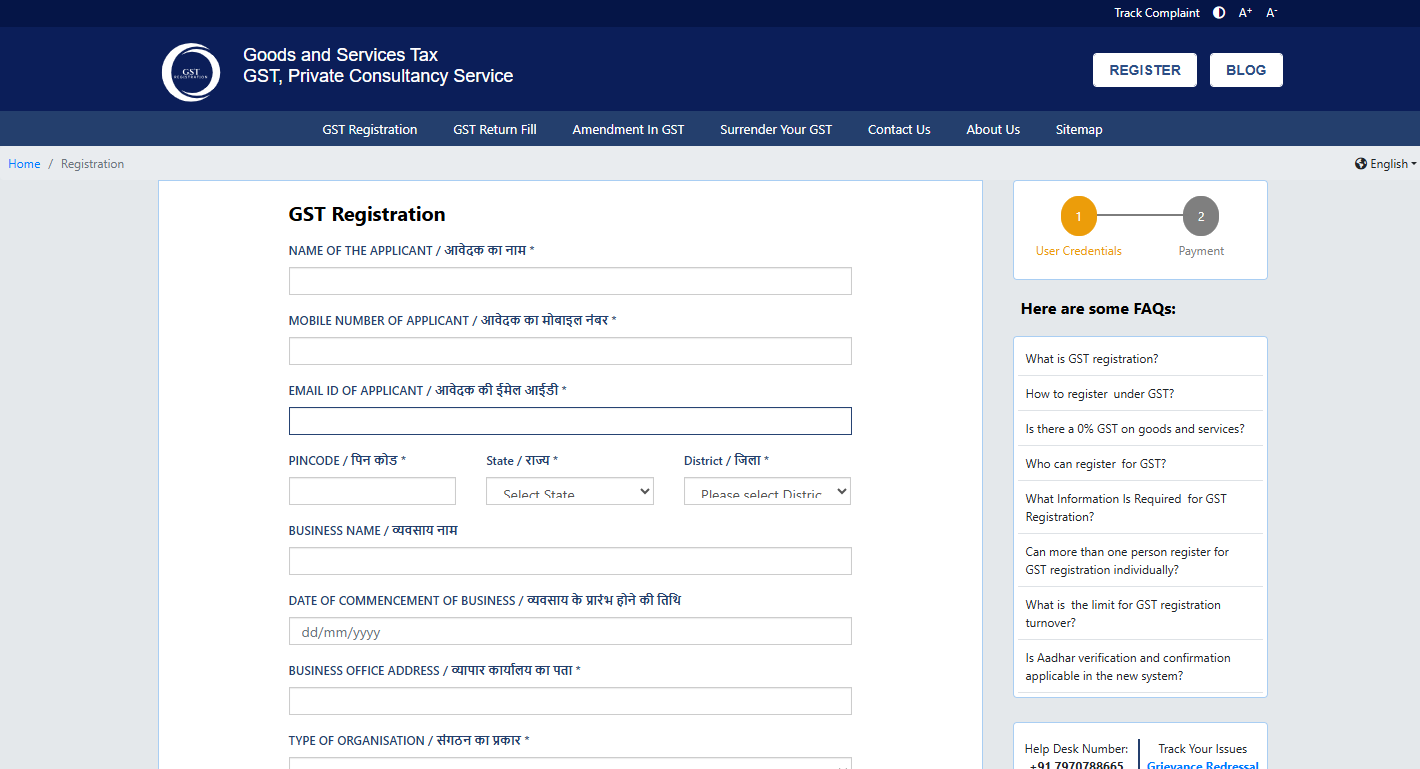
- Upload required documents, your bank details,s and Complete Aadhaar authentication and submit the application.
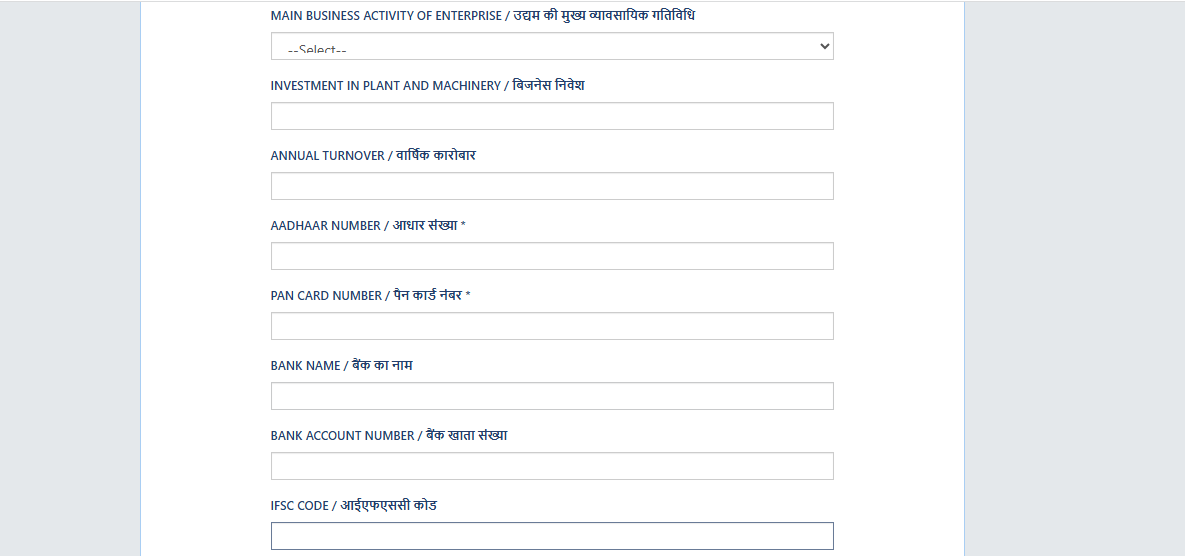
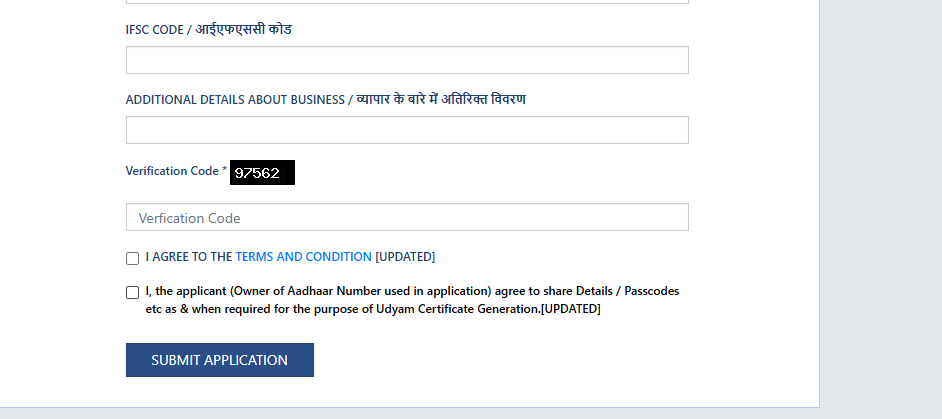
- Write the confirmation code after each detail you verify for confirmation. After approval, the GSTIN and registration certificate are issued.
Benefits of GST Registration
A registered business can:
Responsibilities After GST Registration
Once registered, a person has to issue GST invoices and file the returns timely, make the payment of the GST, keep the proper records, and follow the GST laws, failing which they may attract penalties or cancellation.
Related Article: